 ★ Top pick
Play Gym / Activity Mat
Lovevery / Skip Hop
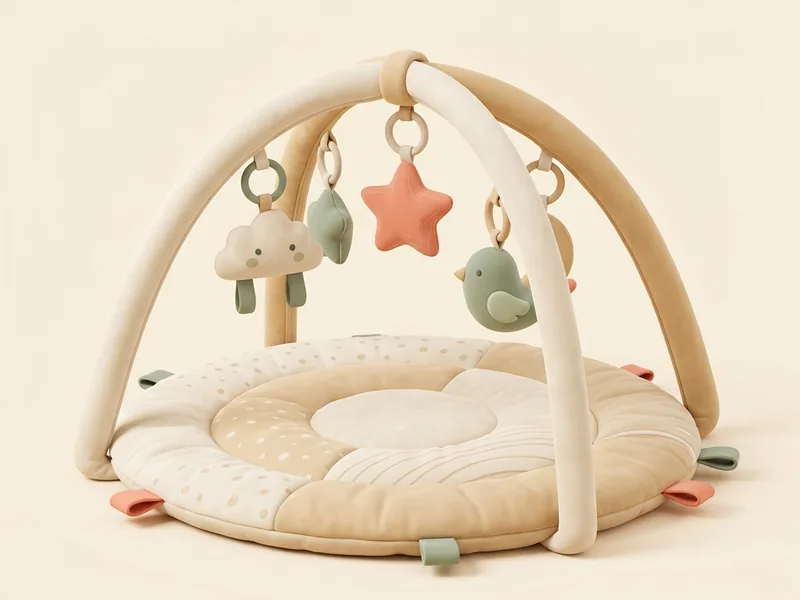
A padded mat with toys hanging overhead.
Where the baby goes when you need both hands. It’s also where tummy time happens, which is what stops a flat spot developing.
See it on Amazon.comAs an Amazon Associate we earn from qualifying purchases. Every product link here is an affiliate link — it costs you nothing extra and never changes what we recommend.
6 picks · Ten minutes of independent play is a gift.
Babies need far fewer toys than they are given, and the cheapest things outlast the expensive ones: a set of stacking cups will still be in use two years after the battery‑powered toy has been recycled. What matters at this age is a safe place to be put down. A play gym is where tummy time happens, and tummy time builds neck strength and prevents a flat spot developing. Then: high‑contrast toys early on, because a newborn sees bold black‑and‑white long before pastels; things safe to chew from around four months; and board books from the very beginning, since reading early is one of the few interventions with genuinely strong evidence behind it.
★ Top pickA padded mat with toys hanging overhead.
Where the baby goes when you need both hands. It’s also where tummy time happens, which is what stops a flat spot developing.
See it on Amazon.com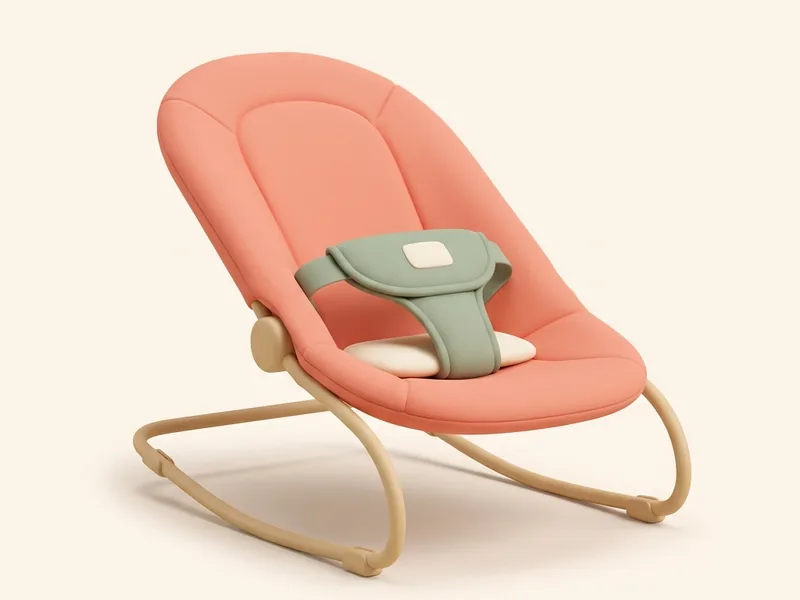
A lightweight seat that bounces from the baby’s movement.
The other place to put a baby down. No-motor ones fold flat, weigh nothing, and go room to room with you. That’s the actual use case.
See it on Amazon.com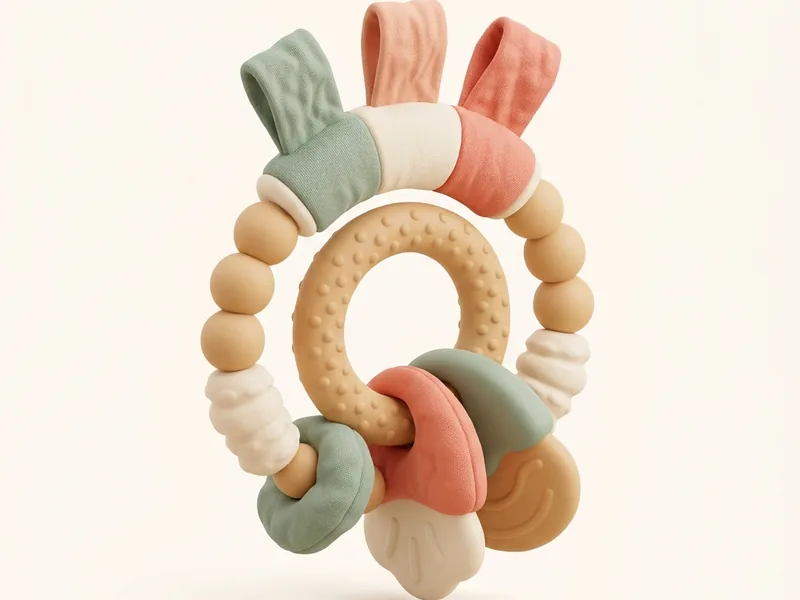 ◆ Budget pick
High-contrast, crinkly, chewable.
Newborns see high-contrast black and white far better than pastels. Cheap, and still interesting to someone who has been alive four months.
See it on Amazon.com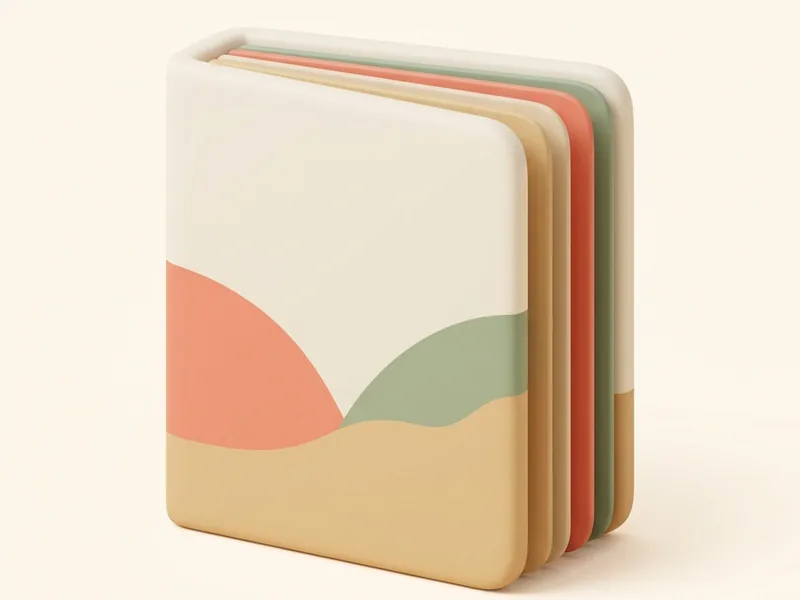
Thick-paged books that survive chewing.
Reading from the beginning has strong evidence behind it. Board pages because paper ones last one afternoon.
See it on Amazon.com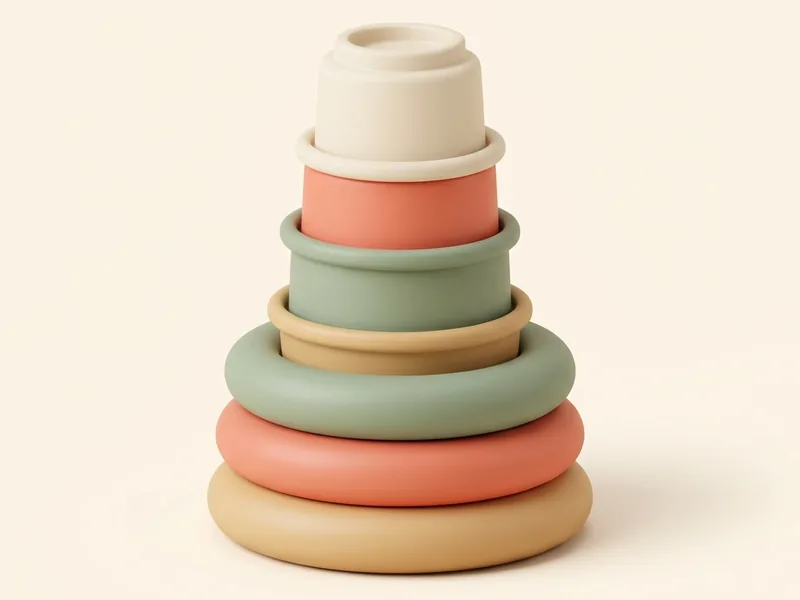 ◆ Budget pick
The cheapest toy that lasts the longest.
Stack, nest, bath toy, sand toy, snack cup. Outlasts every battery-powered thing in the house and costs less than a coffee.
See it on Amazon.com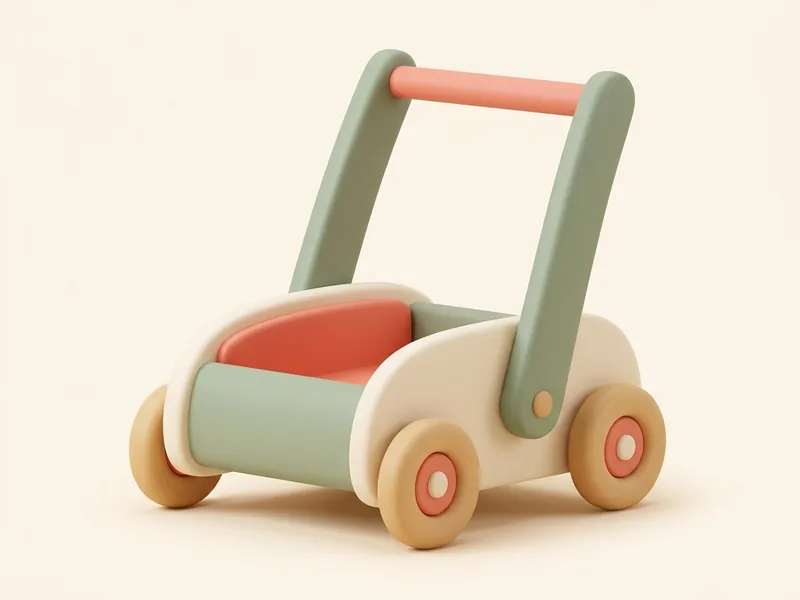
Something to hold while learning to walk.
A push walker, not a seated one. Seated walkers are banned in Canada outright and discouraged elsewhere. This is the one that actually helps.
See it on Amazon.comNo picks match every filter at once. Loosen one and they will come back.
Advice that came up again and again — the practical things nobody puts on a box. Where a count is shown, it is how many separate parents independently gave that same advice.
Get a bouncer secondhand
Use is short and unpredictable. Some babies ignore them. A used one costs far less, works the same, and you can resell it again. Light wear does not change the bounce or the safety harness.
11 parents said this
Buy bouncers secondhand, then pass them on
Babies outgrow bouncers quickly—often once they roll or hit 9 kg—so they see only a few months of use. Frames and fabrics wipe clean, so used ones are usually like-new, and you recoup cost by reselling.
Use a blanket for tummy time
Tummy time just needs a clean, grippy surface with a little padding. A large blanket gives the same support as a mat, covers more floor, and goes straight in the wash after spit‑ups.
Buy board and picture books secondhand
Board books are wipeable and durable, so used copies work the same. Thrift prices are pennies on the pound, letting you build a rotation cheaply for teething, bath reads, and constant re-reads.
Almost none. A play gym for tummy time and a couple of high‑contrast black‑and‑white cards or soft toys cover the first three months. Newborn vision is limited to about 8–12 inches and strong contrast, so pastel toys are largely wasted early on.
Start with a few minutes several times a day from the first week, building to about an hour a day in total by three months. It builds the neck and shoulder strength needed for rolling and sitting, and reduces the risk of a flat spot. Always supervised, and always while awake.
Seated baby walkers are banned outright in Canada and discouraged by paediatric bodies elsewhere. They cause falls and do not help babies learn to walk. A push walker, which a standing baby holds and pushes, is the safe alternative and does help.