As an Amazon Associate we earn from qualifying purchases. Every product link here is an affiliate link — it costs you nothing extra and never changes what we recommend.
Everything you need. Nothing you don’t.
A baby registry checklist with the reason behind every pick.
Learned the hard wayThe things people only tell you afterwards
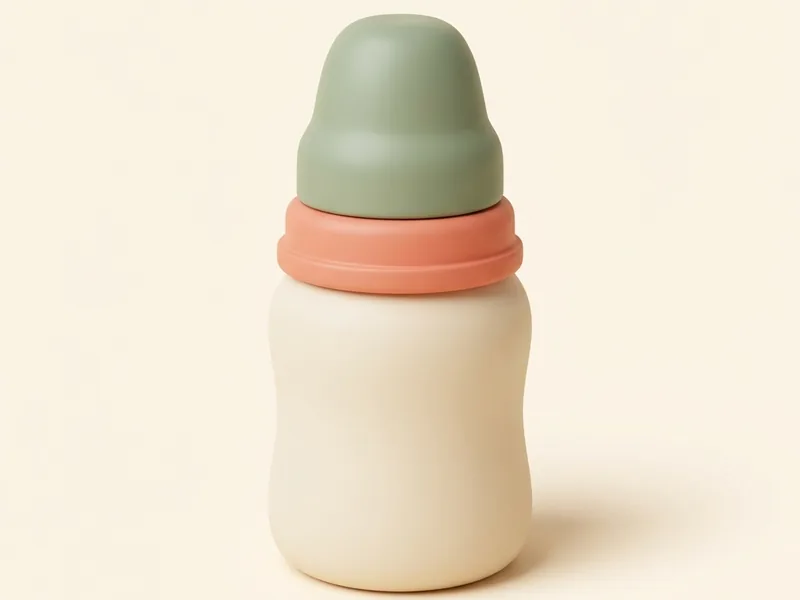
Test a few bottle styles before stocking up
Babies latch differently. Nipple shapes and flow rates vary, and some get refused outright. Start with 2–3 bottles per style so you can test without wasting money on a full set you won’t use.
51 parents said this
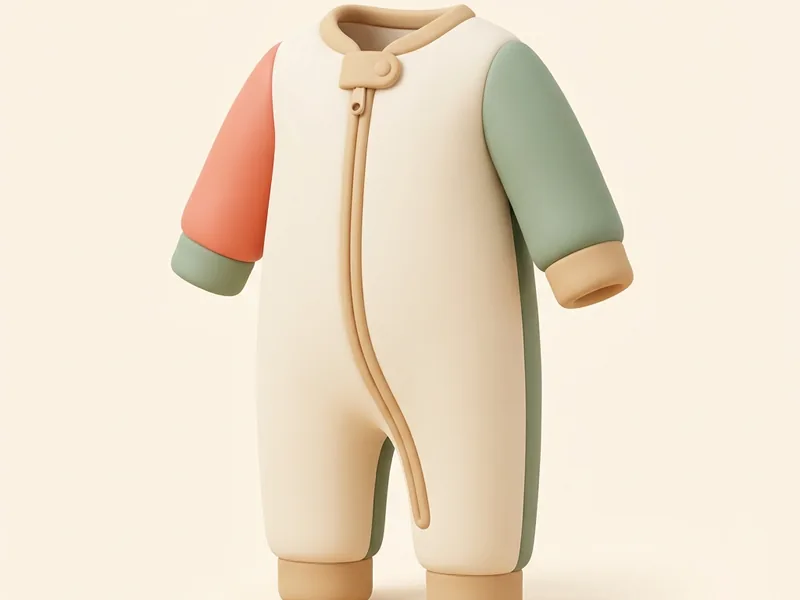
Pick two-way zips or magnets, skip buttons
Two-way zips and magnets open from the bottom, so you change a diaper at 3am without undressing the baby. Snaps misalign on a wriggly body and take longer, especially in the dark.
39 parents said this
Buy most gear and clothes secondhand
Most gear is used for weeks or months, then outgrown. Buying secondhand cuts cost while you learn what your baby actually uses. You can resell with little loss if it’s not a fit.
38 parents said this
Load your registry to trigger completion discounts
Retailers give a one-time completion discount on leftover items near your due date. Adding big and small needs now lets you buy them later at 10–15% off when you know what you actually need.
33 parents said this
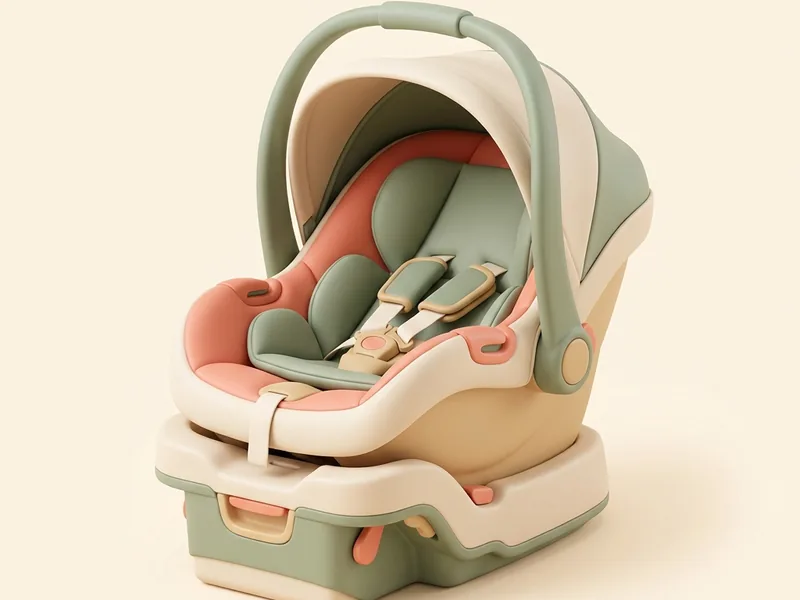
Buy your car seat brand new
Crash damage is invisible, and plastics and foam degrade with time and heat. Only a new seat guarantees no crash history, known age, up-to-date safety features, and no missing parts or expired components.
31 parents said this
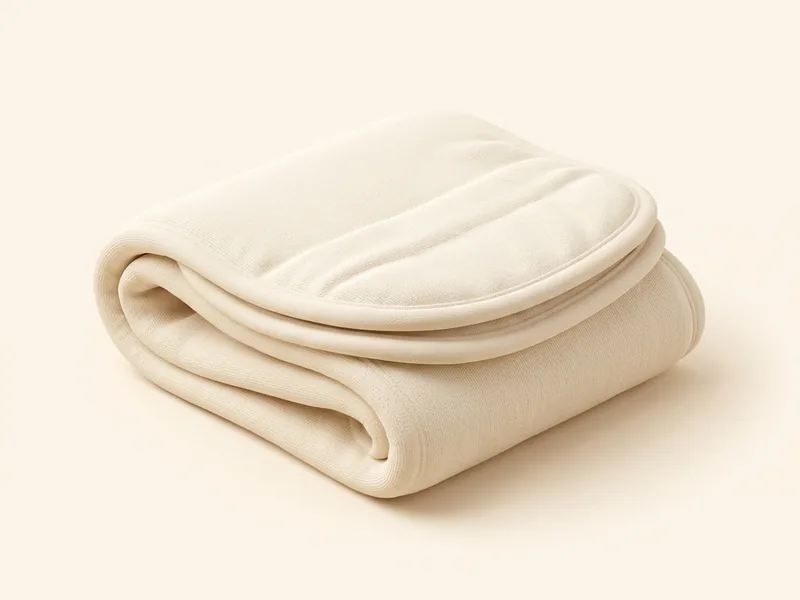
Stock 20-plus burp cloths for rotation
Newborns spit up often. You’ll soak through several a day and need extras staged around the house and in the diaper bag. With laundry every 2–3 days, 20–24 keeps you from running out.
30 parents said this
Try 1–2 swaddles in each style
Babies respond differently to swaddles. Some break out of Velcro, some hate zip sacks. Buy 1–2 each of zip and Velcro first, then double down once you see what actually settles your baby.
24 parents said this
Use cloth diapers as burp cloths
Prefold cloth diapers are thicker and more absorbent than typical burp cloths. They cover more shoulder area, cost less per piece, and survive heavy washing for years, so you buy fewer and replace less often.
24 parents said this
Test small diaper packs before stocking up
Brands cut diapers differently at the legs and waist, and use different liners and adhesives. A poor fit leaks and rubs; certain materials can irritate skin. Buy small packs first, then stock up once you know what works.
19 parents said this
Try a pacifier variety pack first
Babies accept specific nipple shapes, sizes, and stiffness. One style can be ignored while another soothes instantly. Try 2–3 designs first, then buy duplicates of the winner so you’re not stuck with a drawer of rejects.
Where money is best spent. Sleep is the whole game.
★ Top pick
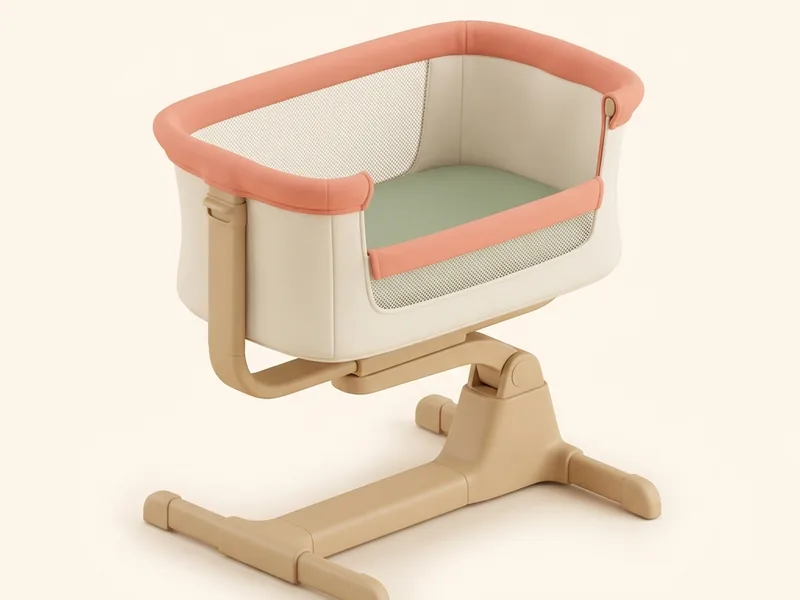
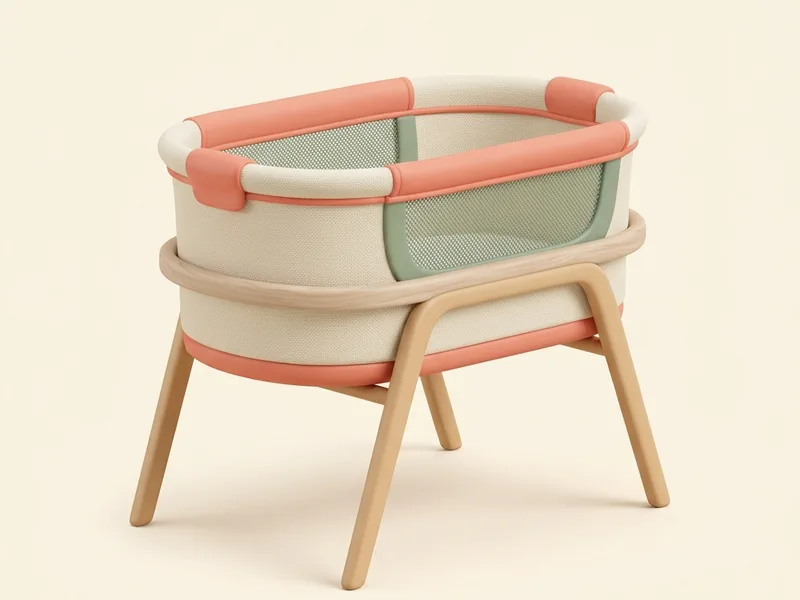
Bedside Bassinet
HALO / Chicco
A safe-sleep bedside bassinet that swivels over your bed.
For the first three months, baby sleeps in your room. A side-sleeper you can reach into without standing saves your back and about ten minutes of wakefulness per feed.
$$$$● EssentialNewborn
Worth knowingDon’t overspend on a short‑term bassinet
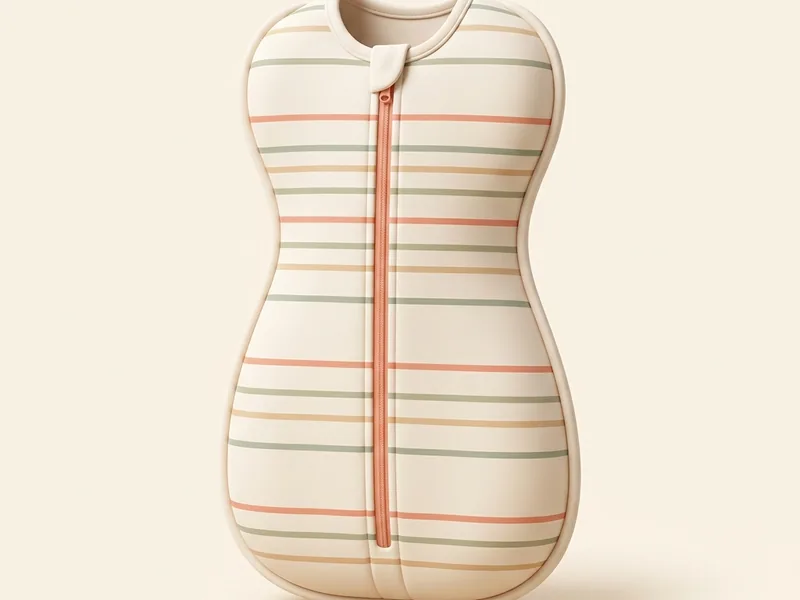
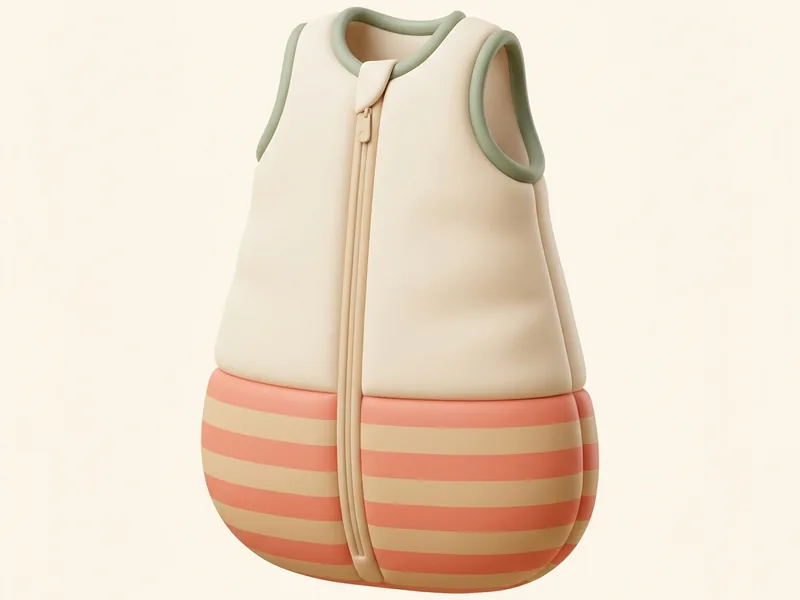
No one can do the origami swaddle at 3am in the dark. Zip versions give the same startle-reflex suppression with no technique. Buy two so one can be in the wash.
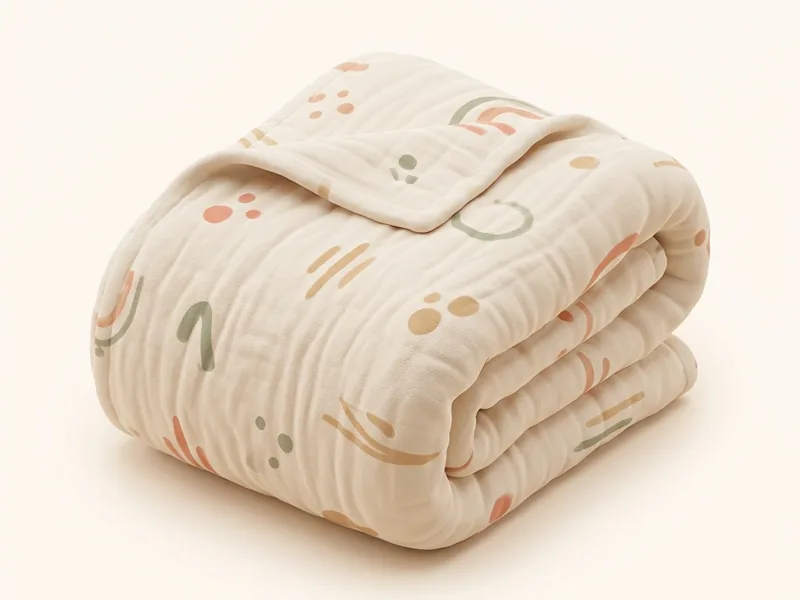
Loose blankets are not safe in the crib until well past a year, so this is how a baby stays warm. TOG rating is just thickness: 1.0 for most rooms, 2.5 for cold ones.
$$$$● Essential3–6m6–12m1 yr+
Worth knowingChoose an adjustable merino all‑season sleep sack
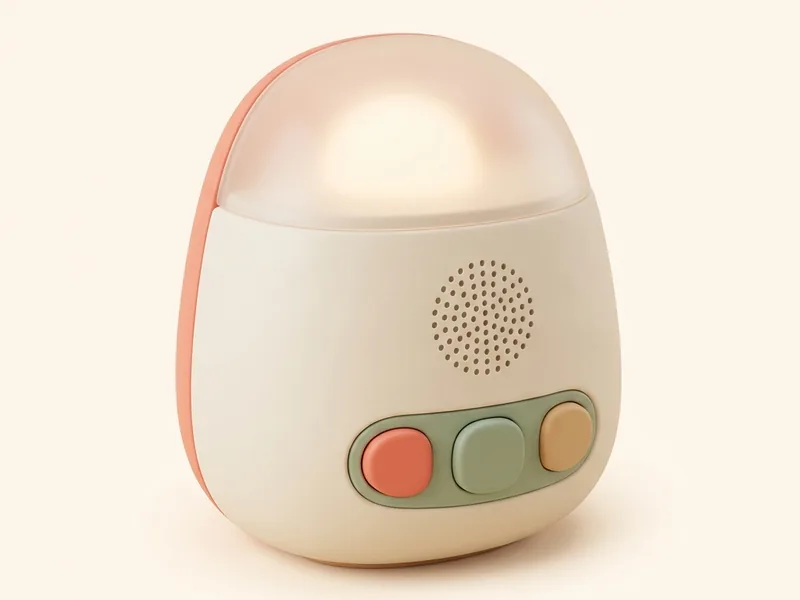
Continuous white noise, ideally with a night light.
The womb is loud, and steady sound masks the creaky floorboard that would otherwise end a nap. Choose one that runs all night, not a toy that times out after 15 minutes.
A bassinet that rocks and shushes in response to crying.
Divisive, expensive, and for some families the difference between coping and not. Rent it rather than buy; it is only used for about five months and resale is strong.
The IKEA one is famously the best value in the entire baby category: wipes clean in seconds and costs almost nothing. The Stokke is the buy-once version that lasts into adulthood.
If you use formula at all, mixing a batch in the morning instead of six times a day is a quality-of-life improvement. Almost nobody puts this on a registry.
A firm pillow that holds the baby at feeding height.
Feeding takes 45 minutes and happens eight times a day. Without support, your arms carry the weight and your shoulders pay. The strapped, firmer designs beat the soft C-shaped ones for actual feeding.
$$$$● EssentialNewborn3–6m
Worth knowingBring your nursing pillow to the hospital
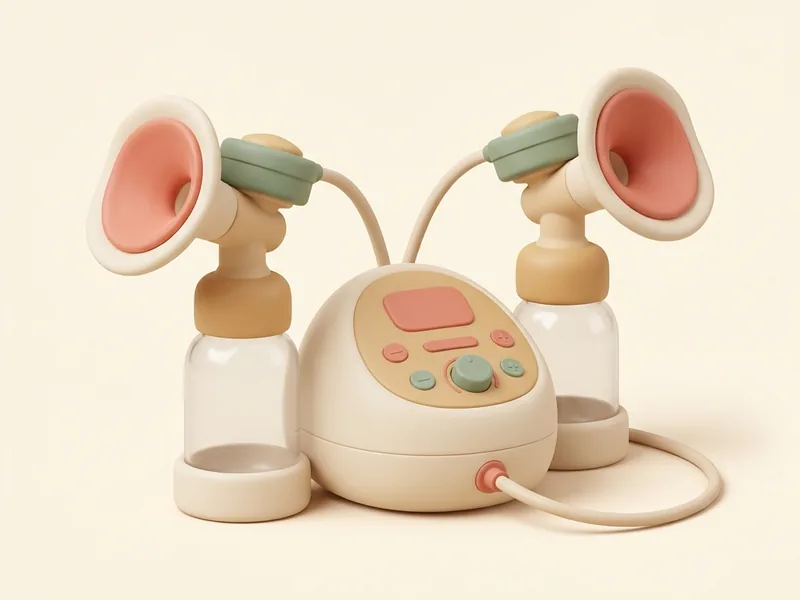
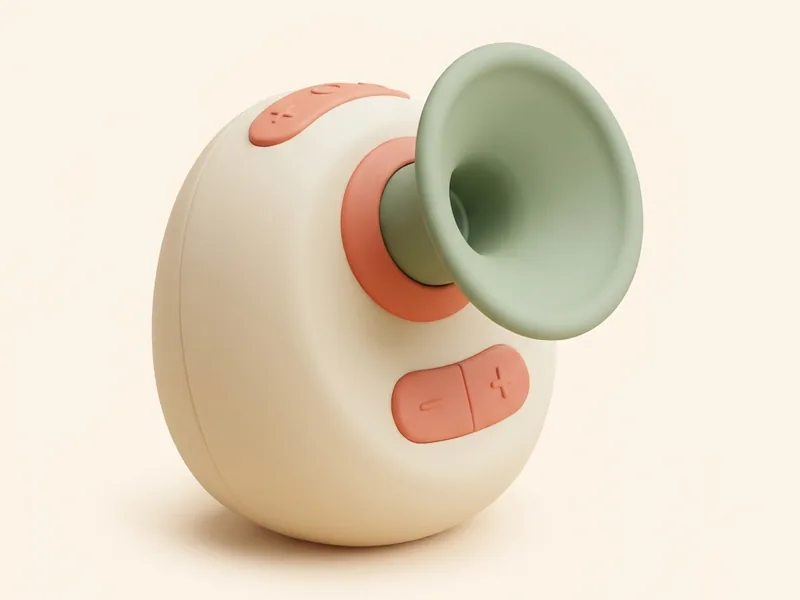
If you plan to nurse exclusively, a pump means someone else can do a feed. Check your insurance or provincial coverage first; many plans pay for one outright.
Lets you pump while doing something else, which is the point if you are back at work. Budget brands do the same job as the flagship ones for a third of the price.
Slippery baby. Small tub. Fewer products than you think.
★ Top pick
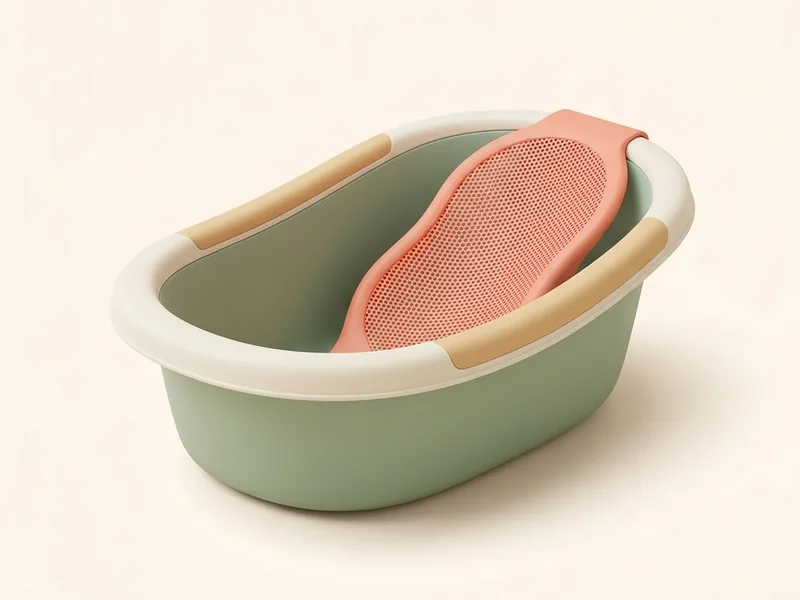
Infant Bath Tub
Angelcare / Blooming Bath
A tub or mesh support that holds a newborn at an angle.
A wet newborn is slippery and has no neck control. The moulded supports free up both your hands, which is the difference between a bath and an emergency.
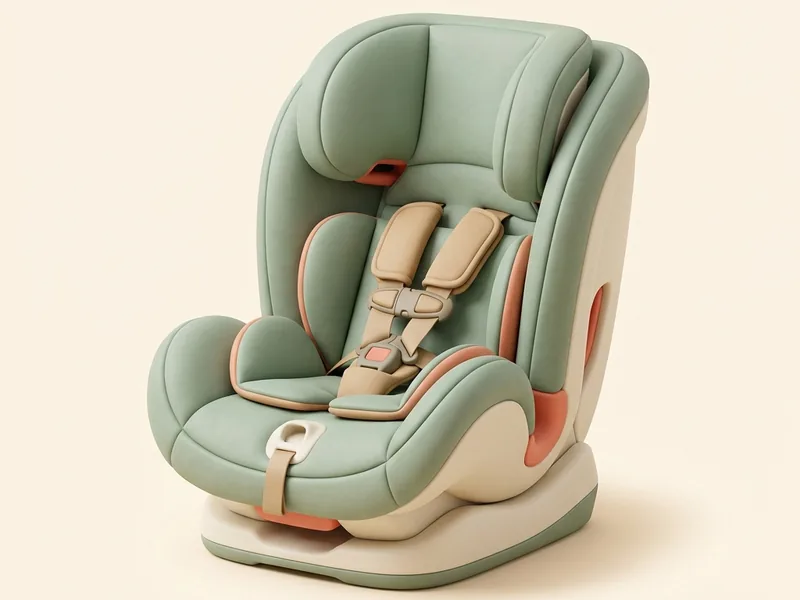
The seat that replaces the infant bucket around a year.
Choose one with a high rear-facing weight limit. Extended rear-facing is the single biggest safety difference you can buy, and cheap seats often force you to turn early.
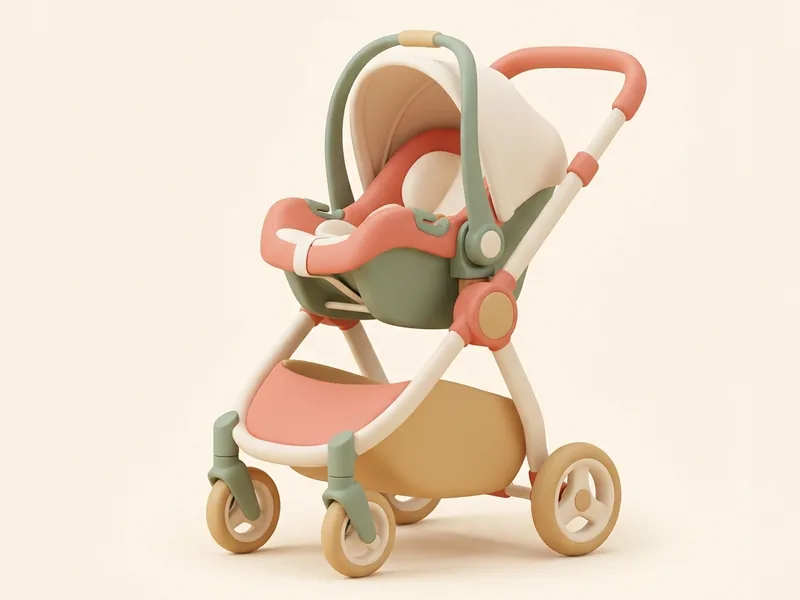
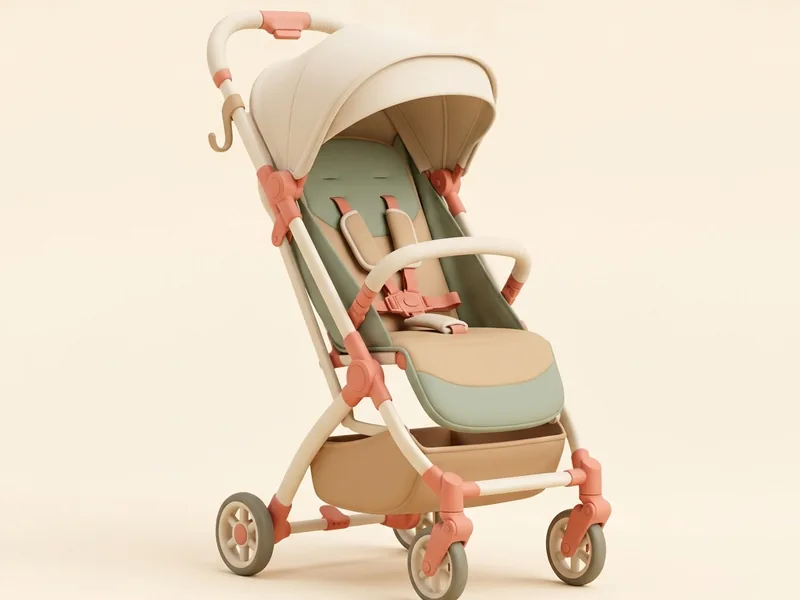
A full-size stroller your infant seat clicks into.
Check the adapter for your car seat before buying either. If you are in a city and walk everywhere, this is the most-used item you will own; if you drive everywhere, buy less stroller.
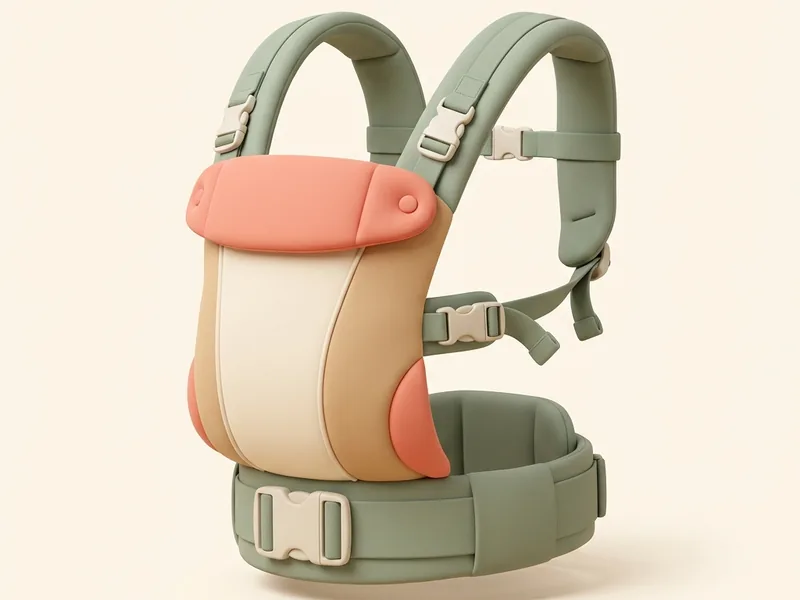
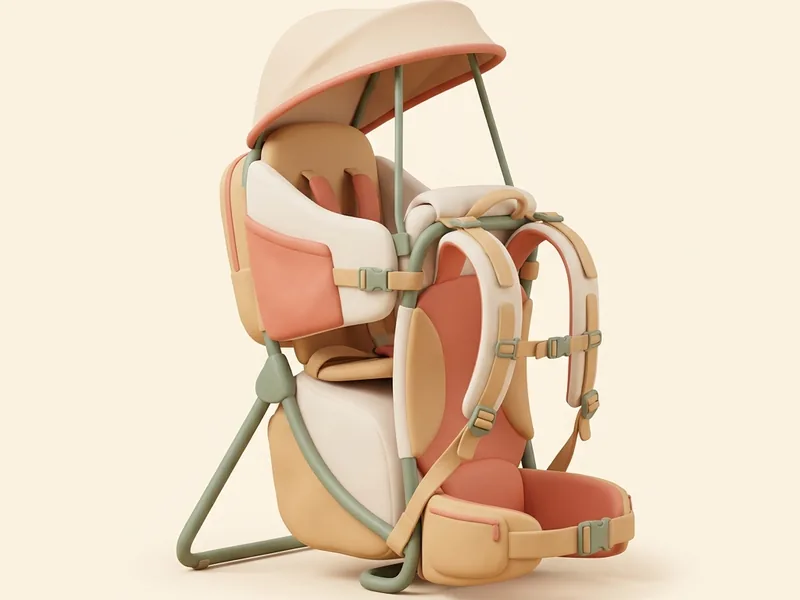
If a colicky baby will only sleep on you, a carrier gives you your afternoon back. Get one rated from newborn without a separate insert, and check it supports the hips in an M-shape.
$$$$● EssentialNewborn3–6m6–12m1 yr+
Worth knowingTry carriers on in person before buying
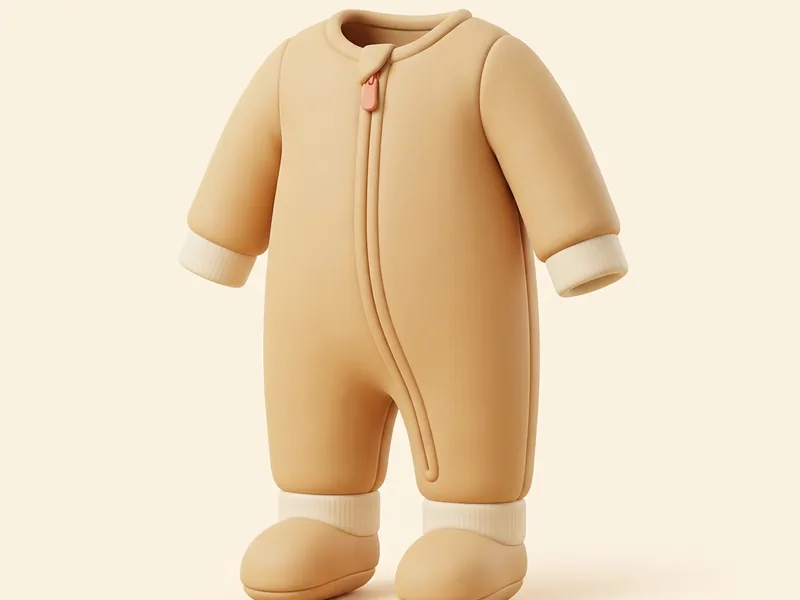
The one piece of advice every parent gives and every registry ignores. Twenty-six snaps in the dark, misaligned, is a miserable experience. Two-way zips let you change a diaper without undressing the top half.
$$$$● EssentialNewborn3–6m6–12m1 yr+
Worth knowingChoose two‑way‑zip pyjamas over snaps
For the first two weeks, the umbilical stump makes pull-over necks awkward, and newborns hate anything going over their face. Only needed briefly, but needed.
$$$$● EssentialNewborn
Worth knowingStock clothes in multiple larger sizes
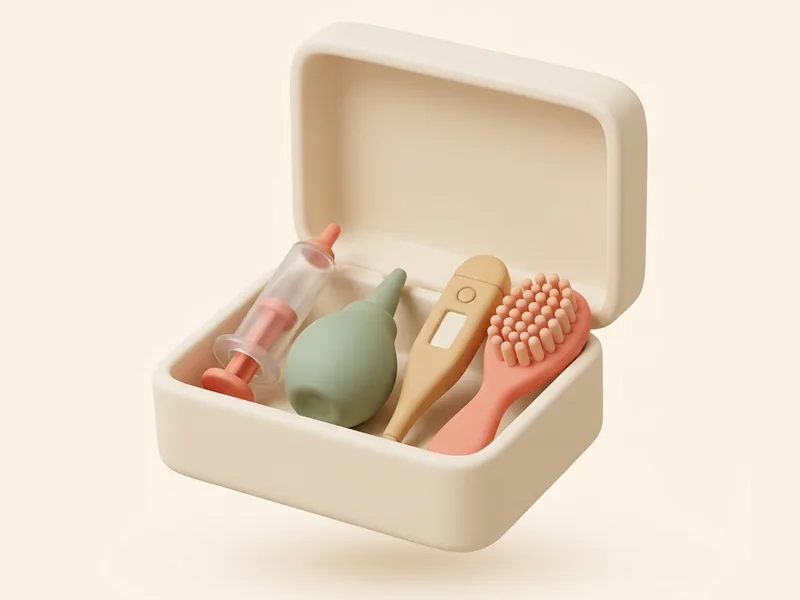
Boring until 2am, then the most important shelf in the house.
★ Top pick
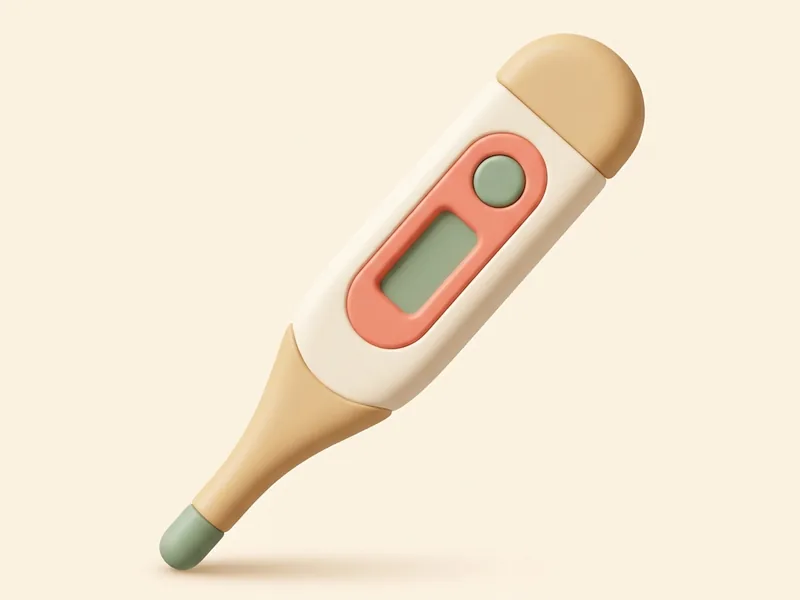
Digital Thermometer
Frida Baby / Braun
A fast, accurate digital thermometer.
Under three months, any fever means an emergency-room trip, so you need a reading you trust. Rectal is the accurate method for newborns; ear and forehead are for later.
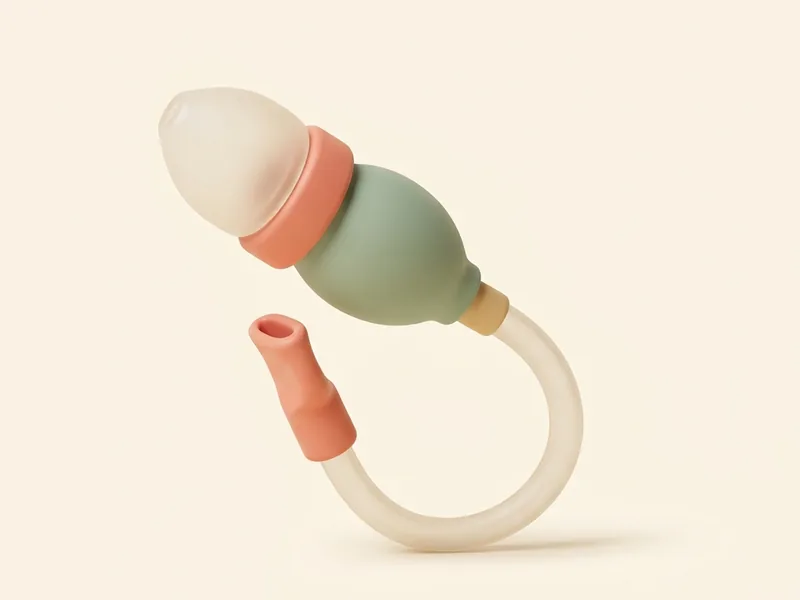
It sounds appalling, but there is a filter, so nothing reaches you. A baby who cannot breathe through their nose cannot feed or sleep, and the bulb syringe barely works.
$$$$● EssentialNewborn3–6m6–12m1 yr+
Worth knowingChoose a tube suction aspirator over bulbs
Tip-over accidents are a leading cause of serious injury in this age group, and they are entirely preventable. The least fun ten dollars you will ever spend, and the most important.
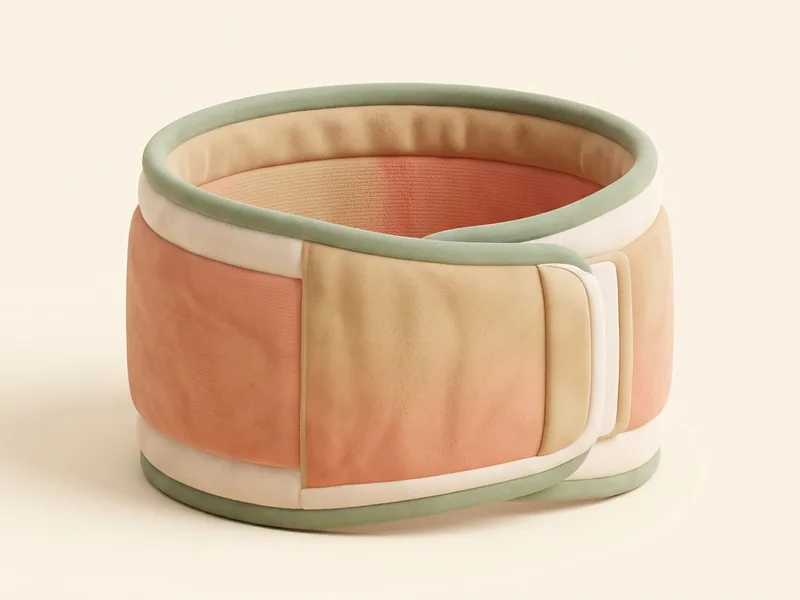
Recovery from a vaginal birth is two weeks of discomfort nobody prepares you for. This, the peri bottle, and the ice pads are the trio that gets you through it.
$$$$● EssentialNewborn
Worth knowingAdd postpartum recovery supplies to your registry
Nobody warns you about the first postpartum bowel movement. Everyone who has been through it puts this on the list. Clear it with your provider, then buy it.
No picks match every filter at once. Loosen one and they will come back.
What parents work out the hard way
Advice that came up again and again — the practical things nobody puts on a box. Where a count is shown, it is how many separate parents independently gave that same advice.
Pick two-way zips or magnets, skip buttons
Two-way zips and magnets open from the bottom, so you change a diaper at 3am without undressing the baby. Snaps misalign on a wriggly body and take longer, especially in the dark.
39 parents said this
Buy most gear and clothes secondhand
Most gear is used for weeks or months, then outgrown. Buying secondhand cuts cost while you learn what your baby actually uses. You can resell with little loss if it’s not a fit.
38 parents said this
Load your registry to trigger completion discounts
Retailers give a one-time completion discount on leftover items near your due date. Adding big and small needs now lets you buy them later at 10–15% off when you know what you actually need.
33 parents said this
Use cloth diapers as burp cloths
Prefold cloth diapers are thicker and more absorbent than typical burp cloths. They cover more shoulder area, cost less per piece, and survive heavy washing for years, so you buy fewer and replace less often.
24 parents said this
Try a pacifier variety pack first
Babies accept specific nipple shapes, sizes, and stiffness. One style can be ignored while another soothes instantly. Try 2–3 designs first, then buy duplicates of the winner so you’re not stuck with a drawer of rejects.
18 parents said this
Buy baby clothes secondhand in bundles
Babies outgrow early sizes in weeks, so 0–6 month clothes see minimal wear. Thrift, consignment, and local swap groups offer big bundles for little money, giving you depth in each size without paying full retail.
16 parents said this
Skip shoes until your baby walks
Before walking, shoes add nothing and just get kicked off. Barefoot or socks help balance and foot muscles when learning to stand. Use soft booties for warmth. Buy first shoes once steps are steady.
15 parents said this
Get your breast pump through insurance
In the US, health insurance covers a breast pump at low or no cost. Order through your plan’s in-network supplier and skip listing a second pump. Save registry funds for parts, extra flanges, and hands-free bras.
15 parents said this
Start with essentials, add as needs arise
Newborn needs change fast, and 12–24‑month gear won’t help in the first weeks. Bulk buys lock you into sizes and products your baby may outgrow or reject. Fill gaps as they appear instead of filling cupboards before birth.
14 parents said this
Keep one small can of formula at home
Breastfeeding can be delayed by supply, latch, illness, or medication. A sealed can on the shelf means you can feed at 3am without a frantic drive. Powder stores well unopened; you only open it if you need it.
13 parents said this
Borrow or buy carriers secondhand first
Fit is personal and newborn size changes quickly, so one style can be perfect one month and wrong the next. The resale market is big, so you can test types cheaply and resell what doesn’t work with minimal loss.
13 parents said this
Offer price tiers from $5 to $300
Guests shop to a budget. A spread of low, mid, and high-price items means more gets bought. Small add-ons (pads, toiletries, pacifiers) get tossed in carts; big pieces stay available for generous gifters or group buys.
11 parents said this
Turn on group gifting for big items
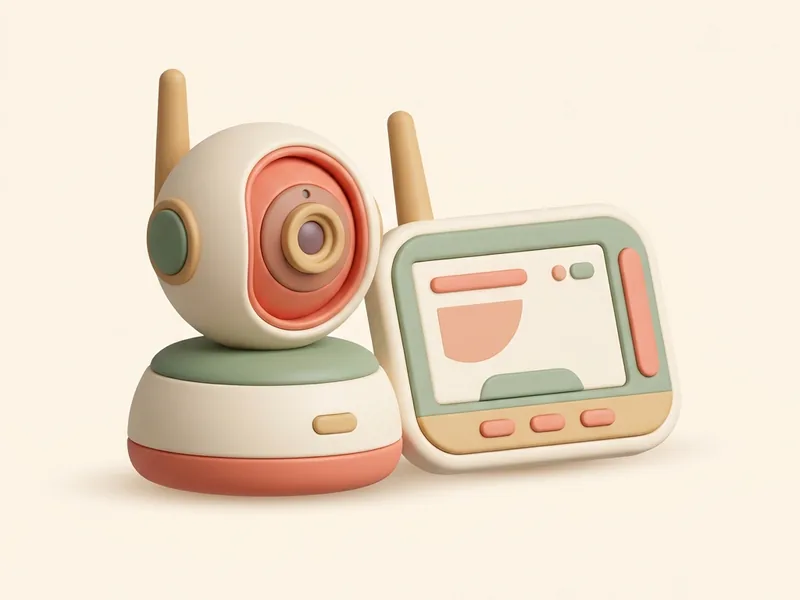
Group gifting lets multiple people split one expensive product into small contributions. A $350 monitor becomes seven $50 shares, so no one feels pressured, and you still end up with the full item instead of fragments.
11 parents said this
Buy a used high-end stroller
You push it daily on walks. Higher-end frames and wheels hold up, so a used one still steers and rides well. You pay about a tenth of new, but avoid the flimsy handling and early failures of budget models.
11 parents said this
Baby registry questions, answered
What do you actually need for a newborn?
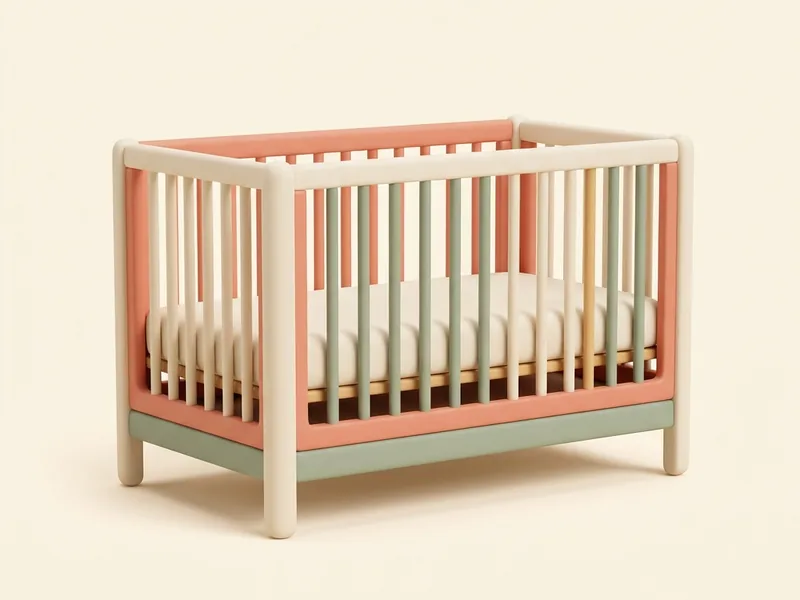
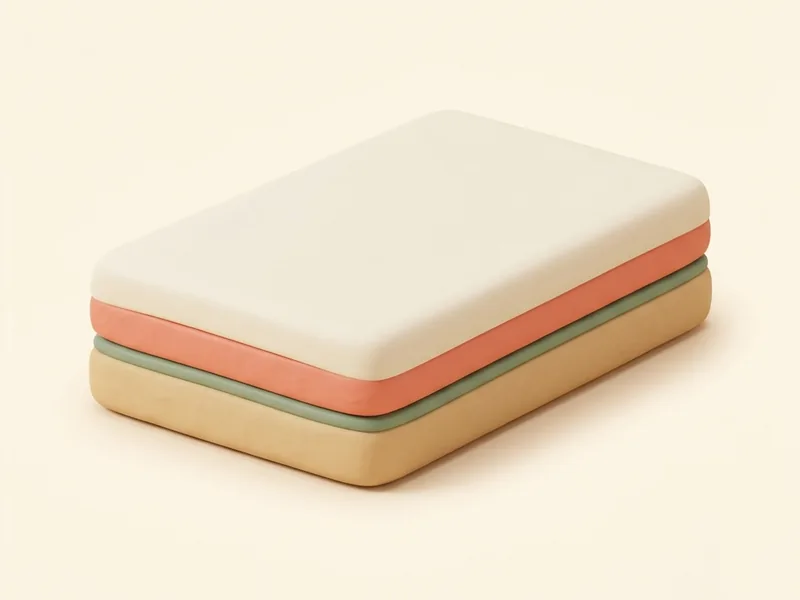
Far less than a registry suggests. In the first month, a baby needs somewhere safe to sleep (a bassinet or crib with a firm, flat mattress), a way to be fed (bottles, or nursing supplies, usually both), diapers and wipes, a handful of zip-up sleepers and swaddles, a car seat if you own a car, and a way to be carried. Everything else is comfort or convenience: useful, but not needed on day one.
How many items should be on a baby registry?
Most registries land between 80 and 120 items, enough range for gift-givers at every budget. What matters more than the count is the spread: a few big-ticket items (car seat, stroller, crib), plenty in the $20–50 range where most people buy, and consumables like diapers and wipes that never go to waste.
When should you start a baby registry?
Most parents start between 20 and 24 weeks, after the anatomy scan. That timing leaves room to research the expensive decisions — car seat, stroller, crib — and add anything a baby shower does not cover. Registries usually stay open for a completion discount after the birth, so nothing has to be finalised early.
What should you not buy for a new baby?
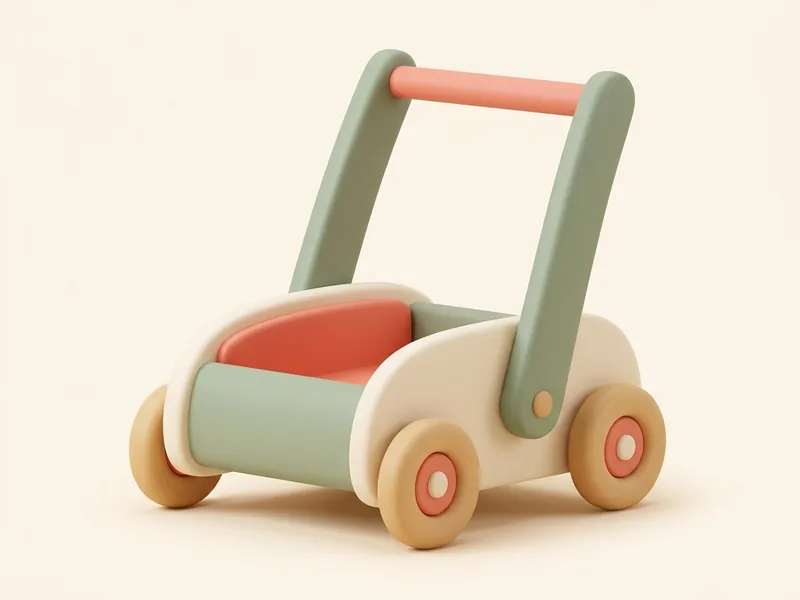
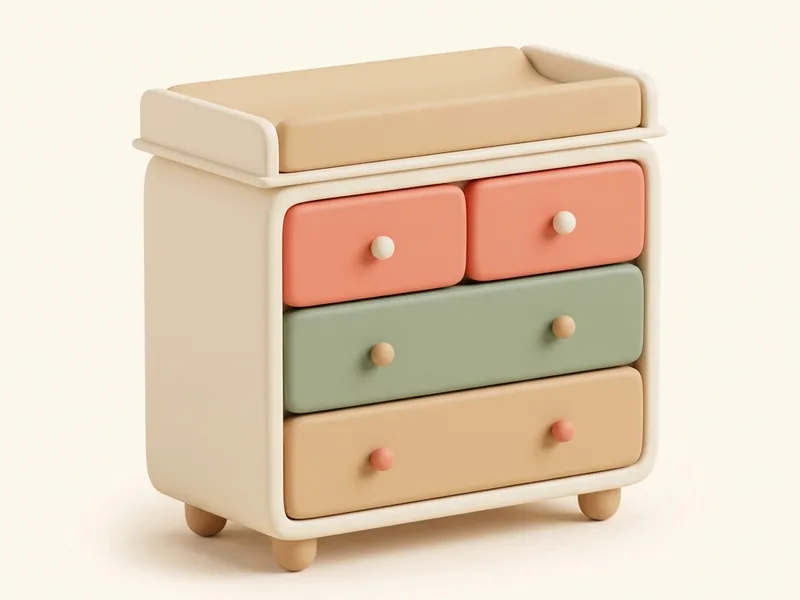
Skip newborn-size clothing in bulk — many babies skip the size entirely — wipe warmers, dedicated changing tables, bottle sterilisers, shoes for a baby who cannot walk, and anything sold as a sleep positioner or crib bumper. Those last two are actively unsafe. Seated baby walkers are banned in Canada and discouraged elsewhere; a push walker does the same job safely.
Do you link to Amazon.ca or Amazon.com?
Both. The site guesses from your device’s timezone and sends you there. You can switch at the top of the page at any time. Your choice is remembered on your device.
How this list is put together
Most registry lists run long because long lists sell more. This one is short on purpose. Every entry must answer one question: what problem does it solve at 3am, in a real house, with a real baby?
Everything below is grouped by category and tagged by stage, so you can see what you need before the birth and what can wait until month four. Roughly four in five items are marked as genuine essentials; the rest are honest nice-to-haves, and we say so instead of padding the list. Where a cheap option is as good as the expensive one, we recommend it. Where something is a splurge, it is labelled a splurge.
Use the filters to narrow by stage or budget, or jump straight to a category. Each one has its own page with the picks and the questions people ask.
 ★ Top pick