As an Amazon Associate we earn from qualifying purchases. Every product link here is an affiliate link — it costs you nothing extra and never changes what we recommend.
🎒
Baby Carriers & Wraps
4 picks · Hands back. Money well spent.
A carrier gives you your hands back, and in the first three months that's worth more than most things you can buy. Two things matter. First, hip positioning: baby's knees should sit higher than their bottom in an M-shape; hip-healthy carriers are built for this. Second, whether it works from newborn without a separate insert. Inserts are hot, fiddly and easily lost. Most people end up with two: a wrap or sling for the tiny weeks and quick errands, and a structured buckle carrier with a proper waist belt once the baby is heavy enough that your shoulders notice.
Learned the hard wayThe things people only tell you afterwards
Borrow or buy carriers secondhand first
Fit is personal and newborn size changes quickly, so one style can be perfect one month and wrong the next. The resale market is big, so you can test types cheaply and resell what doesn’t work with minimal loss.
13 parents said this
Borrow or test carriers before you buy
Carrier comfort depends on your torso, shoulders, and baby’s size. Short trials reveal pressure points, heat, and learning curve before you spend money. Borrowing avoids paying for two or three carriers you won’t use.
Try carriers on in person before buying
Fit depends on your torso, shoulders, and buckle placement. You must clip and tighten it solo in seconds. Trying carriers in person, ideally after birth with your baby, prevents pressure points and returns.
Choose a wide-seat, inward-facing ergonomic carrier
A broad, knee-to-knee seat supports the thighs and bum so hips sit flexed and abducted in an M shape, not hanging by the crotch. Inward-facing also supports the natural C-curve spine and head control, reducing hip and back strain.
Buy a tested carrier, skip unverified no-names
Unknown carriers often skip verified safety testing. Weak stitching or counterfeit buckles can fail under load, and poor structure can position the baby badly. Reputable brands publish limits and testing, and fit caregivers more comfortably.
4 picks
Stage
Budget
Show
★ Top pick
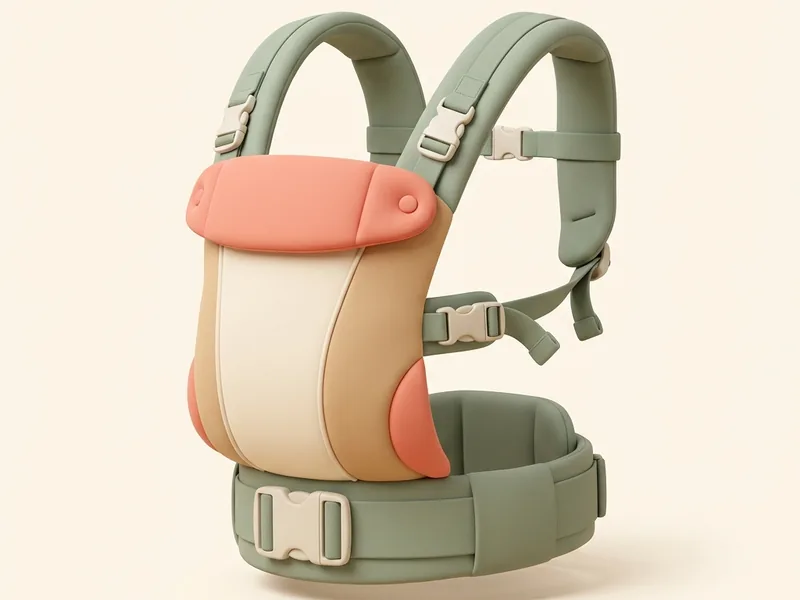
Structured Baby Carrier
Ergobaby Omni / BabyBjörn
A buckle carrier with lumbar support.
If a colicky baby will only sleep on you, a carrier gives you your afternoon back. Get one rated from newborn without a separate insert, and check it supports the hips in an M-shape.
$$$$● EssentialNewborn3–6m6–12m1 yr+
Worth knowingTry carriers on in person before buying
No picks match every filter at once. Loosen one and they will come back.
Carrying & Wearing: what parents work out the hard way
Advice that came up again and again — the practical things nobody puts on a box. Where a count is shown, it is how many separate parents independently gave that same advice.
Borrow or buy carriers secondhand first
Fit is personal and newborn size changes quickly, so one style can be perfect one month and wrong the next. The resale market is big, so you can test types cheaply and resell what doesn’t work with minimal loss.
13 parents said this
Borrow or test carriers before you buy
Carrier comfort depends on your torso, shoulders, and baby’s size. Short trials reveal pressure points, heat, and learning curve before you spend money. Borrowing avoids paying for two or three carriers you won’t use.
Choose a wide-seat, inward-facing ergonomic carrier
A broad, knee-to-knee seat supports the thighs and bum so hips sit flexed and abducted in an M shape, not hanging by the crotch. Inward-facing also supports the natural C-curve spine and head control, reducing hip and back strain.
Buy a tested carrier, skip unverified no-names
Unknown carriers often skip verified safety testing. Weak stitching or counterfeit buckles can fail under load, and poor structure can position the baby badly. Reputable brands publish limits and testing, and fit caregivers more comfortably.
Carrying & Wearing: common questions
When can you start using a baby carrier?
From birth, with a carrier or wrap rated for newborns, if the baby is full-term and healthy. The critical rule is airway positioning: baby high enough to kiss, chin off the chest, face visible at all times.
Are baby carriers bad for hips?
Not if the carrier supports the thighs so the knees sit higher than the bottom, in an M-shape. Narrow-based carriers that leave the legs dangling are the ones associated with hip concerns. Look for a carrier acknowledged as hip-healthy by a recognised institute.
Wrap or structured carrier?
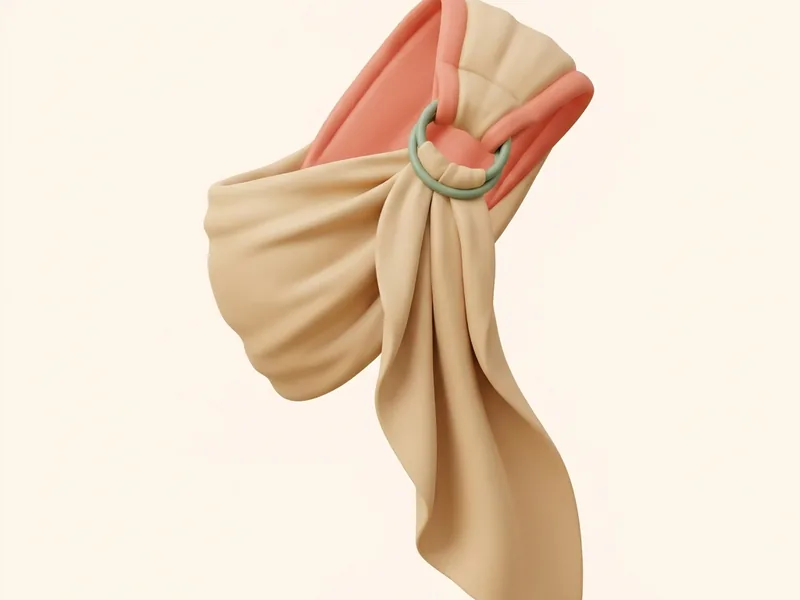
A stretchy wrap moulds to a newborn better than anything else and is the more comfortable option for the first couple of months, but it takes practice to tie. A structured carrier goes on in seconds and carries a heavier baby far better. Many people use a wrap early and switch to a buckle carrier by three months.
 ★ Top pick